
How to Invest in Paraguay Step by Step (2026 Guide)

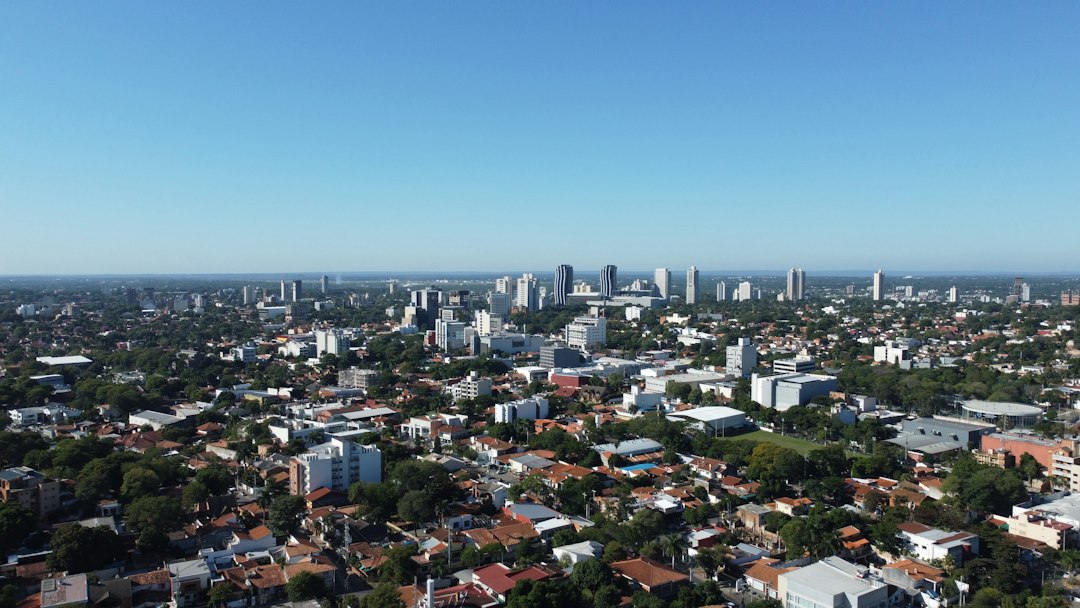
City view with buildings – invest in Paraguay
Photo by Anton Lukin on Unsplash

Paraguay has become one of the most attractive investment destinations in the region: low and simple taxes, abundant hydroelectric energy, access to Mercosur and increasingly digital procedures. This guide explains, step by step, what you need to do to invest in Paraguay in 2026, whether you live here or abroad.

Why invest in Paraguay?

  • “10-10-10” tax system: 10% corporate income tax, 10% standard VAT and personal income tax between 8% and 10%.
  • Territorial taxation: as a general rule, only Paraguayan-source income is taxed.
  • Energy: large-scale hydroelectric generation (Itaipú and Yacyretá).
  • Location: at the heart of Mercosur, with access to Brazil, Argentina, Uruguay and Bolivia.
  • Renewed incentives: new investment, maquila and assembly laws were passed in 2025.

7 steps to invest in Paraguay

Tap each step to see the details:

Before any paperwork, be clear about what you will do, because your structure, permits and incentives depend on it:

  • Trade and import: bring in products (for example, from China) and sell them locally or regionally.
  • Industry and maquila: manufacture or assemble in Paraguay for export.
  • Agriculture and livestock: one of the economy’s historic engines.
  • Real estate and construction.
  • Services and technology: software, contact centers, logistics.

You can invest without living in Paraguay, but residency makes it easier to open accounts, sign and operate. Under Migration Law No. 6984/2022:

  • Temporary residency: lasts 21 months, after which you can apply for permanent residency.
  • Typical documents: passport, apostilled birth certificate and criminal record, plus Interpol and Paraguayan Police certificates.
  • Investment route: there is a direct permanent residency option for investors. Check current amounts and requirements with the National Migration Directorate.
  • With residency you can obtain the Paraguayan ID card (cédula).

The Simplified Joint-Stock Company (EAS), created by Law No. 6480/2020, is the quickest way to start:

  • It is set up online and free of charge on the Ministry of Industry and Commerce portal (eas.mic.gov.py).
  • No minimum capital is required, although capital should match your operating costs.
  • Timeline: about 72 business hours with standard bylaws, or 8 business days with custom bylaws.

For larger projects or several partners, the SRL (limited liability company) and the S.A. (corporation) are also available.

Your company needs a RUC (tax ID) with the National Tax Revenue Directorate (DNIT) and an invoicing authorization (timbrado). A local accountant will help you choose the right regime and file monthly and annual returns from day one.

With the company and RUC in place, you can open business accounts in guaraníes and US dollars. Banks will request documents on the company, its shareholders and the source of funds, so keep everything organized.

Three new regimes were passed in September 2025:

  • Law 7548/2025 (Investment): replaces the long-standing Law 60/90, with exemptions on imports of capital goods and additional benefits for large projects.
  • Law 7547/2025 (Maquila): modernizes the regime, keeps the 1% single tax and adds service maquila (software, contact centers, technology).
  • Law 7546/2025 (Assembly): benefits for producing and assembling electrical, electronic and digital equipment.

These regimes require ministerial approval and implementing regulations, so confirm requirements and amounts with an advisor before building your projections.

  • Municipal business license where you will operate.
  • Sector registrations depending on your industry (e.g., cosmetics, food or regulated products).
  • If you import: importer registration and a customs broker. See our Import from China page.
  • If you hire staff: registration with the Ministry of Labor (MTESS) and social security (IPS).

Main taxes at a glance

TaxStandard rate
IRE (corporate income)10% on net profit
IVA (VAT)10% standard, 5% on certain goods and services
IRP (personal income)8% to 10%
IDU (dividends)8% residents, 15% non-residents
Maquila1% single tax
Signing documents to set up a company
Photo by Scott Graham on Unsplash

Common mistakes

  1. Starting without a local accountant: late-filing penalties add up fast.
  2. Projecting with incentives that haven’t been approved yet.
  3. Underestimating timelines for residency, banking and licenses.
  4. Not validating the market: test with small volumes before committing major capital.

Does your investment involve importing or distribution?

Distritodo can handle the operational side. We source suppliers in China, inspect goods before shipment, bring them to Paraguay and distribute them in the local market. Learn about our Import from China service or message us on WhatsApp +595 974 869886.

Frequently asked questions

Yes. Paraguay allows foreigners to be shareholders. An EAS can be set up online, and residency makes day-to-day operations easier.

The law sets no minimum capital, but capital should be consistent with your business costs. Incorporation through the official portal is free.

No. It was replaced by Law 7548/2025, the new incentive regime for domestic and foreign investment.

Temporary residency lasts 21 months, after which you can apply for permanent residency. Approval times vary, so start early.

General information based on public sources as of September 2026. This is not legal, tax or financial advice: always confirm with a lawyer and an accountant in Paraguay before investing.